
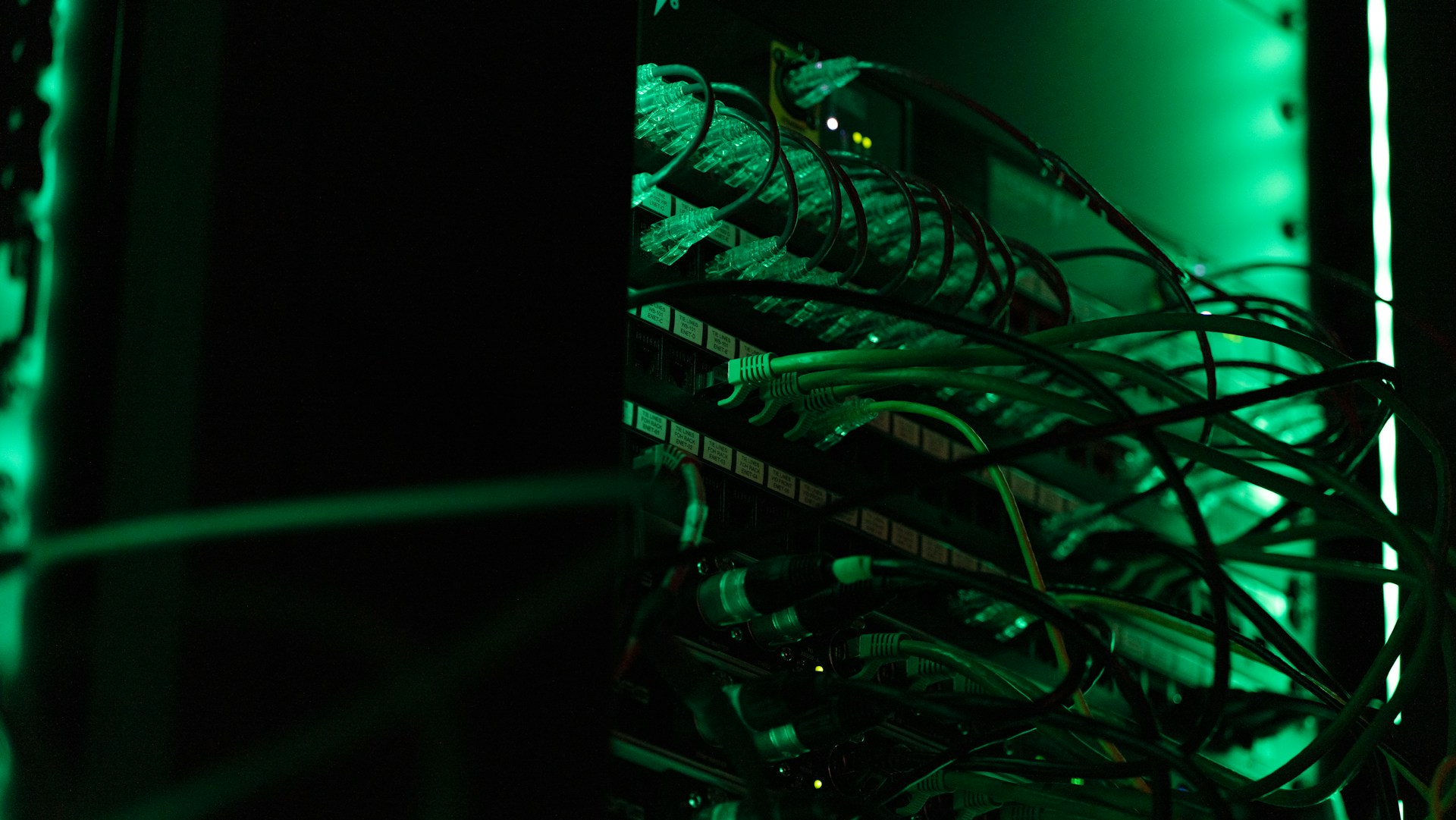
When the Iberian Peninsula went dark on 28 April 2025, my first thought was cyber-attack, everything pointed that way. I was at a client site where, thanks to my recommendations, their 5 kVA UPS fired immediately, bridging the gap until their diesel trifasic generator took over, ready to run for the next 72 hours. What looked like my “paranoia” back in 2007 about having diesel for more than 4 hours finally paid off, even after all these years. At the same time, at home, my UPS kept my internet alive, letting me stay in touch with family even after all cell towers went down.
Official reports later confirmed it wasn’t a cyberattack. A cascade failure in high-voltage lines caused the outage, but the incident still underscores how critical infrastructure fragility can ripple down to SMBs.
Key Takeaways for Small Businesses
- Invest in UPS and backup power: Even a small UPS can keep servers, routers, and communications running during short outages.
- Diesel or secondary power for long outages: Planning for 24–72 hours of diesel or generator runtime can make the difference between downtime and business continuity. For example this client didn’t lose any vaccines, the diesel generator kept the cold storage working.
- Protect communications: Ensure routers, VoIP, and essential services can run off backup power to maintain operations or family connectivity.
- Review your “operational devices”: Devices that keep your business running, such as NAS, network switches, printers, or other hardware you rely on, should be powered and monitored. Even in SMBs, these are your mini-OT systems. If they fail, operations grind to a halt.
- Cyber awareness remains essential: Outages often trigger phishing attempts and fake alerts. Train staff to verify before acting.
Even if it wasn’t malicious, this blackout is a clear reminder. Resilience in power and connectivity matters as much as firewalls and antivirus, and SMBs that plan ahead can keep working and communicating when others go dark.